
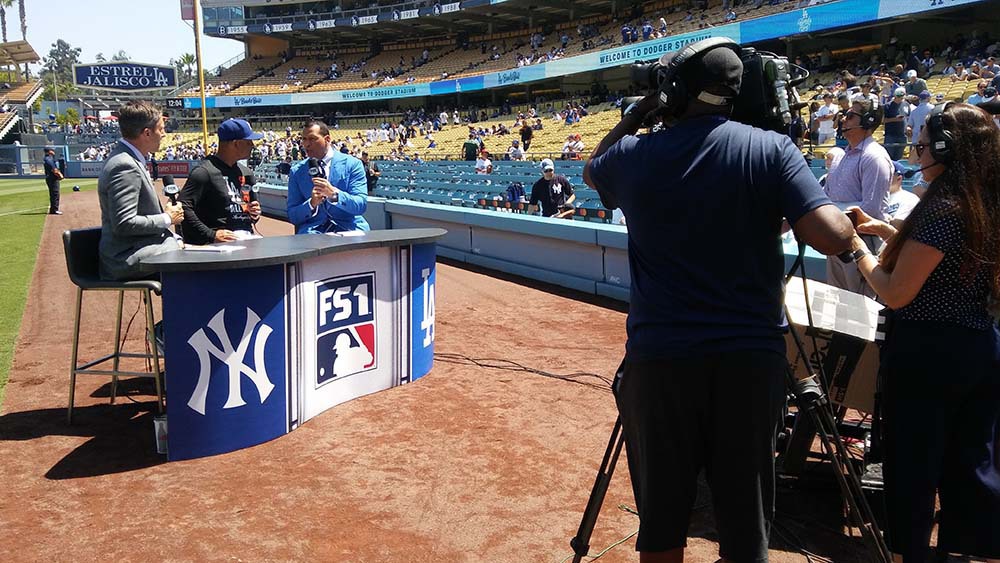
Are you looking to become a sports commentator or announcer? If yes, then you have come to the right place. If you’re passionate about any particular sport and want to be a part of the action taking place, then the sports announcer job may be ideal for you.
However, just like any other field, sports announcers need to go through a step-by-step process to reach the pinnacle of the industry. You need to have relevant skills along with a bachelor’s degree and work experience to advance your career.
But let’s start by getting an overview of the job role of a sports announcer.
What Does A Sports Announcer Do?
Sports announcers are right at the center of the action as they provide updates about all the things happening in the field with their impeccable commentary skills. Many sports announcers work with TV channels, media outlets, or radio stations.
In addition, announcers can have associations with teams and get the same respect, glamour, and high salary. Reaching that point requires patience, skills, and guidance throughout your career.
How Much Do Sports Announcers Make?
While salaries can vary significantly depending on experience, location, and the level of competition, on average, sports announcers earn around $35,000 to $40,000 per year. This figure reflects a broad range of announcers working across television, radio, and digital platforms, including both entry-level and established professionals.
Salary growth in sports announcing often follows a clear progression, with opportunities expanding as announcers gain experience and visibility within the industry.
Earning Potential Grows With Experience And Market Size
As sports announcers gain experience, build a strong on-air presence, and move into larger media markets, salaries tend to increase. Announcers who secure long-term roles with major networks or professional teams can earn significantly more, especially when covering high-profile or nationally televised events.
Career Growth Is Tied To Persistence And Skill Development
While early-career roles may offer modest pay, sports announcing often rewards long-term commitment. Building a strong portfolio, expanding professional connections, and delivering consistent, high-quality broadcasts can open the door to higher-paying opportunities over time.
For those committed to developing their skills and advancing within the field, sports announcing offers a career path where growth, opportunity, and increased earning potential are closely connected.
Becoming a Sports Announcer: Education and Requirements
To become a sports commentator, announcer, or newscaster, you need to have a set of skills along with a bachelor’s degree to stand out in the pool of candidates. Your career training during your time in college will also help you find the right job.
You can look for sports events in college and become a part of the commentary team. Alternatively, you can seek internship opportunities to work with renowned names in the industry.
But, before that, let’s look at the requirements for the sports commentator education criteria that you need to fulfill.
The minimum education requirement to become a sports announcer is a bachelor’s degree from a reputable institution. Your major in the bachelor’s degree will also determine if you will be a potential candidate for the job you’re applying for. Usually, companies or media outlets hire people with the following majors:
- Communications
- Multimedia
- Journalism
- TV
In addition, you can develop other skills to give you an upper hand when it comes to landing sports announcer jobs and internships. You can also develop an engaging voice by taking classes for speech.
Skills
Besides education and experience, another thing that will help you speed up your career is skills. Many of the top companies in media markets, such as New York or California, expect sports newscasters and announcers to have certain skills. Below is a list of the skills that you need to have to land a decent job:
- Confident: Sports announcers will be dealing with a huge crowd trying to get them excited. That requires confidence, which should translate into their voice.
- Interpersonal skills: Announcers will have to deal with athletes and media, so good skills are mandatory.
- Good speaking skills: Sports announcers need to have a voice that will engage the people watching the game. Their voice has to be clear with an engaging tone.
- Writing: There is a chance that sports announcers might have to write material for media houses.
- Tech-savvy: Individuals must be able to deal with all the equipment necessary for their jobs.
Most Famous Sports Announcers of All-Time
There are some of the best announcers that you can take inspiration from. Here is a list of all the famous sports announcers that you can find in different sports:
- Kevin Harlan (NBA, NFL, college football, college basketball)
- Mike Mayock (NFL Network for multiple games)
- Bill Raftery (College football, college basketball, boxing)
- Harry Caray (MLB)
- Jim McKay (Olympics, Kentucky Derby, and more)
- Mike Tirico (NFL)
- Bill Walton (NBA, college basketball)
- Frank Gifford (NFL, Olympics)
- Marv Albert (MLB, NFL ,NBA, MLB, Tennis)
- Ian Darke (Soccer, boxing)
How to Become a Sports Announcer?
If you are wondering how to become a sports announcer, the path typically involves a mix of education, hands-on experience, and consistent skill development.
- Earn a relevant bachelor’s degree: Most sports announcers hold a degree in communications, journalism, broadcasting, or multimedia. While not always required, a degree helps develop speaking, writing, and media production skills that employers look for.
- Gain on-air experience early: Experience is critical in sports broadcasting. Many announcers start by calling games for college teams, local leagues, or student-run radio and television stations. This helps build confidence and comfort speaking live.
- Complete internships or entry-level media roles: Internships with radio stations, TV networks, or sports organizations provide exposure to professional broadcasting environments. These roles often serve as a bridge between education and full-time employment.
- Build a strong demo reel or portfolio: A demo reel showcasing live commentary, play-by-play, or studio hosting is essential. Employers rely heavily on recorded samples to evaluate voice quality, delivery, and knowledge of the sport.
- Network within the sports media industry: Building relationships with professors, producers, broadcasters, and media professionals can lead to job referrals and opportunities. Networking plays a major role in advancing from smaller markets to larger platforms.
While there is no single path, most people who succeed in this field combine education, experience, and persistence. Understanding how to become a sports announcer means recognizing that career growth often starts locally and progresses as skills, exposure, and credibility increase.
Entering the Field
We hope you have a comprehensive insight into the field of sports broadcasting and announcements. To land high-paying sports announcer jobs, you must choose the right path. Join today! JobsInSports.com can connect you with industry leaders through our network.
FAQs
How do you become a sports announcer? +
To become a sports announcer, most professionals earn a bachelor’s degree in communications, journalism, or a related field, gain experience through internships or college broadcasting, and build a demo reel of live or recorded commentary. Entry-level roles often start in smaller markets before advancing to larger media outlets.
How much does a sports announcer make? +
Sports announcers earn an average annual salary of around $35,000 to $40,000, with higher earnings possible for those working in major media markets or covering professional and nationally televised sports. Pay can vary based on experience, employer, and the level of competition being covered.
What degree do I need to be a sports announcer? +
Most sports announcers hold a bachelor’s degree in communications, journalism, broadcasting, or multimedia. While a specific major is not always required, formal education helps develop on-air skills, writing ability, and industry connections.
Do sports reporters make good money? +
Sports reporters and announcers can earn competitive salaries, especially at the professional or national level. While entry-level roles may pay modestly, experienced broadcasters in major markets or national networks can earn strong salaries and long-term career stability.


