The time has finally come. You’re about to graduate with a degree in strength and conditioning, accomplishing an incredible feat, and excited (or perhaps scared) to enter the real world. Do you have a job lined up?
Not everyone chooses the same path to a career in strength and conditioning. With a degree in this field, there is a multitude of doors that you could step through. Maybe you’re unsure of where you want to go. Not to fret. The first door you open likely won’t be the last door you close before retirement.
How to Land a Strength and Conditioning Job
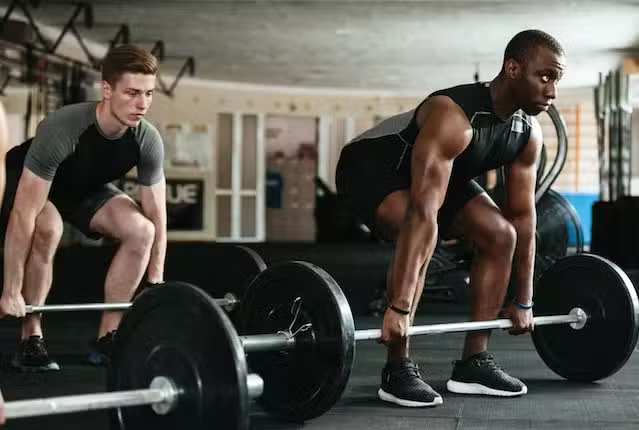
A degree in this field can take you to heights that range from high school sports and fitness instructors to collegiate and professional sports. Strength and conditioning coaches are, in a nutshell, physical performance professionals who use exercise prescriptions to improve the performance of athletes.
One thing to keep in mind before getting into this profession is that there are more applicants than there are jobs to be filled. Two things you can do to better yourself are:
- Find something that will set you apart from the competition.
- Begin networking as soon as possible.
Attend conferences, reach out to former coaches and fitness instructors, and ask for advice. Building relationships within the industry can be the most powerful thing in finding a strength and conditioning job.
Top Strength and Conditioning Jobs to Pursue
If you’re interested in pursuing a career in strength and conditioning, here are some of the top career opportunities which may interest you.
- Strength and Conditioning Coach
- Athletic Trainer
- Exercise Physiologist
- Physical Therapist
1. Strength and Conditioning Coach

Are you a team player? If you enjoy working with a variety of group sizes, this role may be for you. Clients and classes could range from an individual to a large group or team, and you must be able to motivate to maximize an athlete’s performance.
The strength and conditioning training that is administered should emphasize correct form and safe techniques to make sure athletes don’t become injured. Periodic testing is crucial to track progress. Incorporating diet plans and advice on nutrition, while not always required, could help you stand out further as well.
2. Athletic Trainer
An athletic trainer is a sports medicine professional with an average salary of $44,200 who specializes in working directly with athletes. While a strength and conditioning coach will see time working with athletes on all aspects of conditioning, an athletic trainer will be working with athletes ranging from students looking to stay in shape or preparing to move to the next level to professionals looking to improve their athletic abilities or recover from injuries both in-season and off.
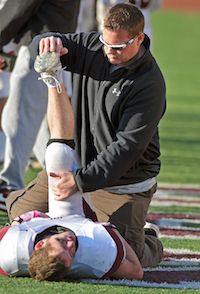
As a trainer, you’re expected to quickly assess an injury and make decisions regarding how to proceed. If minor, taping or immobilizing the affected area may be the best course of action, whereas a major injury may require getting a medical professional involved.
Along with the degree you’ve obtained, you must also be certified in most jurisdictions and maintain continuing education requirements for a trainer’s license. Continuing to learn and maintaining certification in a multitude of subjects can only open more doors for yourself.
3. Exercise Physiologist
The exercise physiologist, with an average salary of $48,200, may not be the first thing that comes to mind when you think about strength and conditioning jobs. This role, however, is crucial to the success of many athletes as you’d be helping them understand what’s best for their bodies.
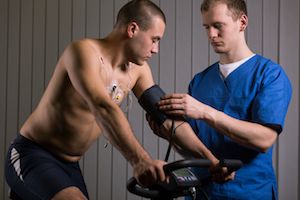
Prior to administering an exercise program, and much like the strength and conditioning coach, the exercise physiologist performs an evaluation of the client’s abilities and goals to understand their level of fitness or athleticism. As time goes on, he or she helps the client progress and maintain healthier lifestyles and administers health education such as home exercise assignments and nutrition guidelines to follow.
Admittedly, this strength and conditioning job can be strenuous when assisting patients and demonstrating exercises, which means it’s important to be physically fit. With patience and compassion, you’re bound to succeed in this profession.
4. Physical Therapist

The responsibility of the therapist is to get patients back to full health, helping them regain their ability to perform daily activities. The people you work with may range from children to the elderly, so be prepared to work with a variety of ages, personalities, and pain tolerances.
As a physical therapist, you may be employed in small outpatient rehab hospitals with athletes and those with minor disabilities, large inpatient rehab hospitals with those who have more severe disabilities, or work within a physical therapy clinic working with patients who have a variety of injuries.
Start Searching for A Sports Job Today!
Unfortunately, it’s unlikely you’ll find your dream strength and conditioning job right out of college. Chances are you’ll work your way up the ranks to where you ultimately want to be. Have dreams of working with a professional sports team? That will come in time, but you must start from the ground floor and work your way to the top.
Jobs In Sports offers all the tools, statistics, and job information you need to start a career in strength and conditioning. Get access to job opportunities today!


