
When people picture a career in sports, they often imagine coaches commanding the sidelines, analysts breaking down plays on national television, or athletes pushing toward victory under bright stadium lights. But behind every iconic moment in the NFL, NBA, MLB, NHL, MLS, collegiate programs, and even powerhouse amateur clubs, hundreds of professionals work behind the scenes to keep everything running. These roles don’t get camera time, yet they’re some of the most consistently hired, hardest to replace, and most future-proof jobs in the industry.
Over the past few years, search data shows increasing curiosity and demand for support careers in sports. Queries like “athletic trainer jobs,” “sports medicine careers,” “sports operations jobs,” “sports videographer jobs,” “sports analyst jobs,” “NFL nurse jobs,” and even “sports photography degree” continue to climb across platforms. The trend is clear: fans and job seekers are no longer only looking for the spotlight; they want careers that keep the global sports industry moving.
Why Support Staff Are Becoming the Backbone of the Sports Industry
Professional and collegiate sports have evolved into complex, year-round operations. Seasons are longer, travel is heavier, data systems are more advanced, and expectations for performance and player health are higher than ever. In this environment, support personnel have become essential.
Teams now depend on departments once considered “extras.” Sports medicine units have expanded dramatically. Operations teams have grown to manage demanding schedules and logistics. Video and analytics departments have become central to strategy. And digital media teams shape the public storytelling that drives fan engagement.
In short, success in sports is no longer just about the players. It’s about the professionals supporting them from every angle.
Sports Medicine & Player Health: Where Safety Meets High Performance
One of the strongest hiring trends across all major sports is the growth of sports medicine and player wellness teams. Even smaller programs now invest in full medical units, especially as player safety continues to dominate headlines.
Athletic Trainers and Sports Therapists

Athletic trainers remain one of the most essential sports careers today. These specialists handle everything from injury prevention and on-field emergencies to long-term recovery and performance maintenance. As teams adopt more data-driven recovery protocols and integrate new technology into training, athletic trainers often serve as the bridge between medical science and athletic performance.
Athletic trainers are also tied to some of the highest opportunity positions, which is why this field continues to be a strong entry point for job seekers who want direct athlete interaction without pursuing traditional coaching.
Sports Medicine Professionals
Demand extends further into sports medicine careers, such as physical therapists, team doctors, strength and conditioning specialists, and even sports psychologists. The rise in demand is tied to increased awareness of issues like concussion recovery, long-term injury management, and overall player wellness.
Organizations are hiring more support specialists because modern athletes require more comprehensive care. This emphasis on health translates into one of the most stable areas of employment across professional, collegiate, and youth sports.
Team Operations & Logistics: The People Who Hold Everything Together
One of the most underrated but indispensable areas of sports employment is team operations. Fans don’t see these professionals, but every successful game, flight, practice, and locker room setup depends on their work.
Equipment Managers
The role of an equipment manager has expanded significantly. Beyond managing gear, they coordinate player-specific equipment customization, ensure safety compliance, prepare locker rooms, and maintain detailed inventories that often include tens of thousands of dollars in equipment. With more specialized technology, custom gear, and athlete personalization, equipment managers are becoming central members of performance teams.
Operations and Team Services Staff
Sports operations professionals manage the daily rhythm of team life, including travel planning, facility schedules, accommodation logistics, player onboarding, and event coordination. As leagues add more international games, cross-country tournaments, and mid-season events, these roles become increasingly vital.
This category is also linked to growing search interest around “sports operations jobs” and similar queries, reflecting how many job seekers target these roles as gateways into front-office careers.
Sports Analytics, Technology & Video: The Fastest-Growing Hiring Category
If any department has seen explosive growth in the last five years, it’s analytics. Teams now rely heavily on data to shape strategy, training loads, injury prevention, and in-game decision-making. This shift has created entire ecosystems of support roles centered around technology and analysis.
Performance Analysts and Data Specialists
The rise of player tracking systems, wearable monitors, and advanced performance software has transformed analyst roles into some of the most future-proof careers in sports. These professionals break down patterns, assess risk, guide lineup decisions, and contribute directly to competitive strategy.
Video Coordinators
The demand for video coordinators reflects the league-wide adoption of film as the foundation of scouting and performance evaluation. Coordinators manage everything from multi-angle recording setups to game breakdowns for coaching staff. With more content, more angles, and increasingly advanced software, teams now employ larger video departments than ever before.
Content Creation & Digital Media: Where Sports Meets Storytelling
Modern fans don’t just watch sports, they follow them across social platforms, YouTube channels, behind-the-scenes documentaries, stadium apps, and team-produced digital programming. This shift has made digital media one of the most explosive hiring categories.
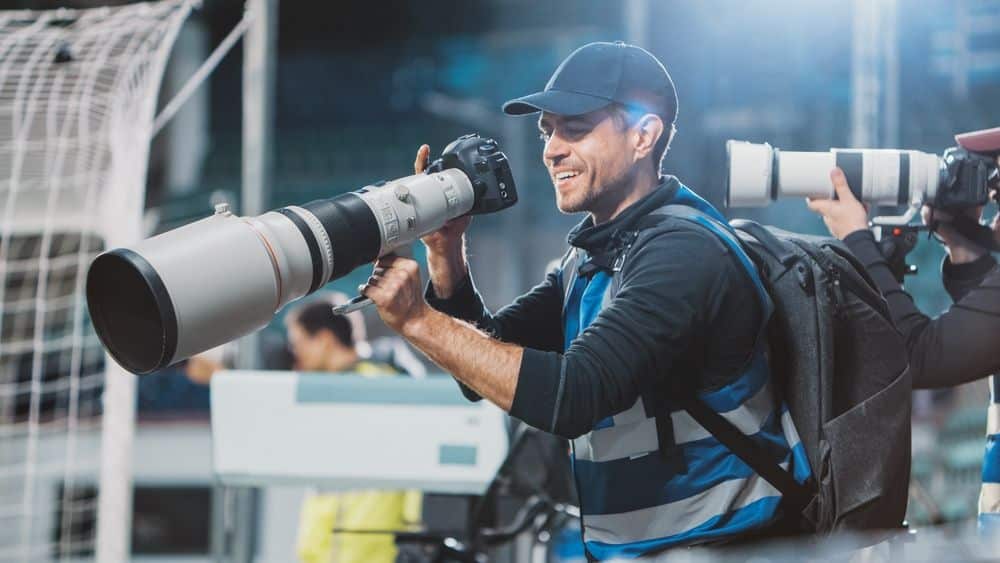
Sports Photographers and Videographers
Teams, leagues, and colleges are constantly searching for creative professionals who can capture the emotional and visual story of competition. Photographers and videographers produce everything from highlight reels to branded content and athlete features, roles that blend creativity with sports culture.
Social Media and Digital Content Staff
Many organizations now operate full in-house content studios. The need for digital storytellers. People who understand platform trends, visual branding, and fan engagement have never been higher. These positions offer some of the fastest upward mobility across sports careers, especially for younger job seekers skilled in short-form content.
Building a Career Behind the Scenes
Breaking into behind-the-scenes roles doesn’t always require decades of experience or elite-level connections. Many professionals in these fields began in semi-pro clubs, college programs, volunteer positions, or even high school athletics.
Consistency, reliability, and curiosity are the traits that tend to stand out the most. Whether aspiring athletic trainers, operations assistants, analysts, or content creators, professionals who succeed behind the scenes are those who embrace pressure, think clearly during chaotic moments, and adapt to the unexpected rhythms of sports life.
The Real Engine of Sports Success

The magic of sports is built on moments: a breakaway goal, a ninth-inning comeback, a last-second three-pointer. But those moments only exist because countless professionals work tirelessly behind them.
Behind every highlight is a sports photographer capturing the scene. Behind every healthy roster is an athletic trainer preventing injuries. Behind every road trip is an operations team managing logistics. Behind every analytics-driven decision is a performance analyst searching for competitive edges.
The spotlight may shine on the field, but the engine is behind the scenes. And for today’s job seekers, that’s where some of the most rewarding and in-demand sports careers are waiting.


