

Athletic video coordinator jobs play a major role in modern sports, helping teams use video to improve strategy and performance. As video becomes a daily tool for coaches and athletes, the demand for skilled athletic video coordinators continues to grow across high schools, colleges, and professional leagues.
If you enjoy sports, technology, and working with video, this career offers a hands-on way to stay involved in the game. In this article, you will learn exactly what an athletic video coordinator does, what tools are used in sports video production, and how video analysis in sports shapes team strategy. We will also cover salary expectations, career paths, and step-by-step guidance on how to get hired.
What Is An Athletic Video Coordinator?
An athletic video coordinator is a sports professional responsible for managing all video operations for a team. They film practices and games, edit footage, and organize sports game film so coaches and players can review it efficiently.
An athletic video coordinator is responsible for filming practices and games, organizing sports game film, and delivering high-quality video that helps coaches analyze plays and players improve. Their work directly impacts team performance, even though it often happens behind the scenes.
This role exists because teams depend on video analysis in sports to improve strategy and performance. Coaches use film to review plays, study opponents, and correct mistakes during training sessions. Players rely on video feedback to improve individual performances and decision-making. Without a dedicated video coordinator, video operations become disorganized, slowing down preparation and limiting how effectively teams can use film.
Core Responsibilities of an Athletic Video Coordinator
Athletic video coordinators handle many daily tasks that keep video operations running smoothly. Below are the main responsibilities and what each one involves:
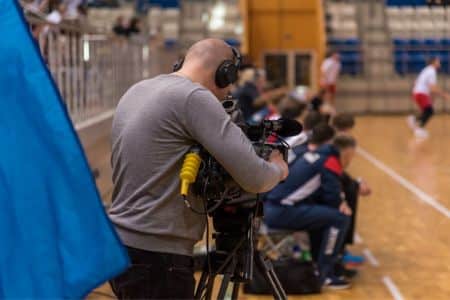
- Filming practices and games: Coordinators set up cameras before every training sessionand game. They capture multiple angles so coaches can review plays from different views. High-quality video is important because clear footage makes analysis easier.
- Editing and cutting footage: After filming, they trim clips and remove unnecessary parts. Clean edits help coaches focus on key moments without wasting time.
- Tagging and labeling play: Each play is tagged with details such as down, formation, or player involved. This makes it easy to search for films later using video analysis software.
- Organizing sports game film: Footage is uploaded to shared systems, so staff and players can access it anytime. A well-organized system helps coaches prepare more quickly.
- Sharing clips with staff and players: Coordinators send film to coaches for meetings and to players for self-review. This supports player performance and team growth.
- Supporting scouting efforts: Some coordinators prepare a film on upcoming opponents. Coaches use this footage to build game strategies.
These tasks require focus, speed, and strong technical skills. Small mistakes can slow down team preparation.
Where Athletic Video Coordinators Work
Athletic video coordinators work in many environments, including college programs, professional teams, high schools, private academies, and club teams. Some also work for sports technology companies that build video analysis platforms. Others support live-streaming for events.
A Day in the Life of an Athletic Video Coordinator
Most days start early. Coordinators arrive before practice to set up cameras and test equipment. During a training session, they monitor angles and adjust settings to capture high-quality video.
After filming, they spend hours editing and organizing footage. During the season, workdays are long. Late nights are common, especially after games. The pace is fast, but every day brings something new.
Game Days vs Practice Days
Game days are intense. Coordinators set up multiple cameras and monitor them in real time. If something stops working, they fix it immediately. After the game, they upload footage quickly so coaches can review film the same night.
Practice days follow a more routine schedule. Coordinators film drills and scrimmages. They also prepare custom clips upon request from coaches.
Working Inside Team Video Operations
Video coordinators work closely with coaches, analysts, and support staff. Coaches often ask for specific clips, so communication matters. Many teams hold video meetings where coordinators assist with playback and presentations.
Video Analysis in Sports and Why It Matters
Video analysis in sports helps teams improve strategy and performance. It allows coaches and players to review actions visually instead of relying on memory.
Here are the main ways video analysis helps teams:
- Reviewing past games: Coaches study film to find mistakes and strengths. This helps them adjust future plans.
- Scouting opponents: Teams watch film of upcoming opponents to learn tendencies.
- Teaching players visually: Players improve faster when they can see their movements and decisions.
- Tracking progress over time: Comparing old footage to recent games shows improvement.
- Building game strategy: Film helps coaches design plays based on opponent weaknesses.
Integrating video analysis into daily routines has changed how teams prepare and compete.
Breaking Down Sports Game Film
Coordinators tag plays, cut clips, and build playlists. A coach may request all third-down plays or red zone attempts. The coordinator prepares these clips quickly.
Using Film for Player Development
Players use film to improve footwork, positioning, and decision-making. Seeing mistakes helps athletes fix them faster than verbal feedback alone.
Tools Used in Sports Video Production
Athletic video coaches or coordinators rely on technology every day. Technical skills are required for this role.
Cameras and Recording Equipment
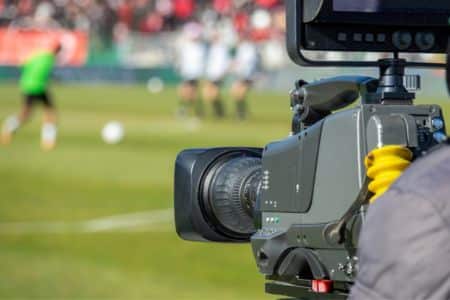
Teams use sideline cameras, end-zone cameras, tripod setups, and handheld cameras. Coordinators manage batteries, memory cards, and backups to avoid missing footage.
Editing and Tagging Software
Common platforms include Hudl, Catapult, XOS, and Sportscode. These video analysis software tools help upload, tag, and share film with staff.
Career Paths From Athletic Video Coordinator Jobs
This role can lead to many sports video jobs. Some coordinators stay in video operations, while others move into analyst or broadcast roles.
College Sports Video Jobs
Smaller schools may have one coordinator handling everything. Larger programs have full departments. Division I schools often require advanced software skills.
Moving Into Professional Sports Video Jobs
Many coordinators aim to work in professional leagues. Most start in college or minor leagues to gain experience. Pro teams look for strong technical skills and calm decision-making.
Athletic Video Coordinator Salary and Job Outlook
| Category | Details |
| Overall Pay Range | Depends on experience, location, and level |
| College & High School Roles | Lower pay but great experience |
| Professional Teams | Higher salaries |
| Entry-Level Salary | $40,000 to $50,000 per year |
| Part-Time or Seasonal Roles | Common in small programs |
| Internships | May be unpaid |
| Experienced Coordinators | $60,000 or more |
| Senior Roles | Higher salaries |
| Skill Growth | Advanced tools increase pay |
| Leadership Roles | Lead to promotions |
How to Get Hired for Athletic Video Coordinator Jobs
Breaking into athletic video coordinator or videographer jobs takes planning and effort. This field is competitive, but the right steps can help you stand out and secure a full-time role.
Best Degrees and Training Paths
There is no single required degree to become an athletic video coordinator, but certain fields can help you build the right foundation. These programs focus on both technical and teamwork skills used in sports video production.
Common degree paths include:
• Film or video production
• Communications or media studies
• Sports management
• Digital media or broadcast production
Your major matters less than your ability to do the work. Employers want proof that you can film, edit, and organize footage efficiently. Learning video analysis software while in school gives you a strong advantage. Online courses and short certifications can also help you sharpen technical skills and stay current with video operations tools.
Internships That Lead to Real Jobs
Internships are one of the most effective ways to break into sports video jobs. They provide real experience and direct access to coaching staff and video departments.
Strong internship opportunities are often found with:
• College athletic programs
• Summer leagues and tournaments
• Local high schools
• Training academies and club teams
Many athletic video coordinators land their first full-time role through an internship. Showing up early, staying late, and volunteering for extra tasks can set you apart. Coaches and video directors remember reliability and effort.
JobsInSports is a reliable source for internships and entry-level roles. Athletic department websites also post openings, and some teams require you to apply through their company site.
Building a Strong Demo Reel
Your demo reel is one of the most important tools in your job search. It shows hiring managers what you can actually do, not just what you list on a resume.
A strong demo reel should include:
• Clean camera angles
• Smooth editing
• Well-organized clips
• Clearly labeled plays or moments
Focus on capturing key moments and individual performances that show your eye for detail. Keep your reel short and professional. Two to three minutes is ideal.
Before applying, review the job description carefully and find out how your skills align with it. Adjust your résumé to match the employer’s requirements. This extra step shows attention to detail and professionalism, which matters in sports video roles.
Real Challenges in Sports Video Jobs
Working in sports video can be exciting, but it is not always glamorous. If you are researching how to become a basketball videographer (or another sport), or considering a broader career in video operations, it is important to understand what the job really involves. While the role gives you close access to teams and competition, it also demands time, focus, and flexibility.
Athletic video coordinators are expected to deliver reliable results every day, even when schedules get intense. Understanding the challenges ahead will help you decide whether this career truly fits your lifestyle and long-term goals before committing.
Below are the main difficulties you should expect in sports video jobs:
- Long hours during the season: Games, travel, and editing lead to late nights and weekend work. Work-life balance can be hard to maintain.
- Busy schedules during tournaments and camps: Even in the off-season, major events require long days.
- High-pressure game days: Equipment can fail. Files can be corrupted. Coordinators must fix issues fast.
- No room for mistakes: Errors can affect team preparation. Staying organized is critical.
- Mental and physical fatigue: Long hours behind screens and on your feet can be tiring.
These challenges are part of the job, but they also build strong skills like time management and problem-solving. If you are comfortable with long hours and high expectations, this career can be very rewarding. Knowing what to expect helps you enter the field prepared and confident.
Is an Athletic Video Coordinator Career Right for You?
Before choosing this career path, it helps to honestly look at your interests and work style. Athletic video coordinator jobs can be exciting and rewarding, but they also demand commitment. Use the points below to see if this role fits you.
Pros
✔ You love sports and want to be part of a team environment
✔ You enjoy working with cameras, editing tools, and sports video technology
✔ You like solving problems and staying busy during games and practices
✔ You feel motivated knowing your work helps improve team performance
Cons
✖ You may struggle with long hours, nights, and weekend schedules
✖ You prefer a predictable routine instead of fast-changing days
✖ You feel uncomfortable working under pressure
These points are not deal breakers, but they are important to consider. Every sports video job is different, yet most require flexibility and focus.
If you enjoy sports, technology, and helping teams succeed behind the scenes, this career could be a strong match. Athletic video coordinators play a key role in player development and team success, making this a rewarding path for the right person.
Start Your Sports Video Career With JobsInSports
If you are serious about building a career as an athletic video coordinator, finding the right opportunities matters. Sports video production roles are often spread across different team websites, which can make the job search frustrating. JobsInSports simplifies that process.
JobsInSports.com helps you find athletic video coordinator jobs at every level, from college programs to professional teams. With one account, you can search verified openings, save positions, and create a personalized job alert so you never miss new opportunities.
You stay in control of your settings at all times, choosing how often you receive alerts. Some employers may send you to their company website to apply, while others allow you to apply directly through the platform. Either way, JobsInSports keeps your search organized in one place.
Take the next step in your career today. Create your free JobsInSports account, set up your job alerts, and start applying for athletic video coordinator roles that align with your goals.


