
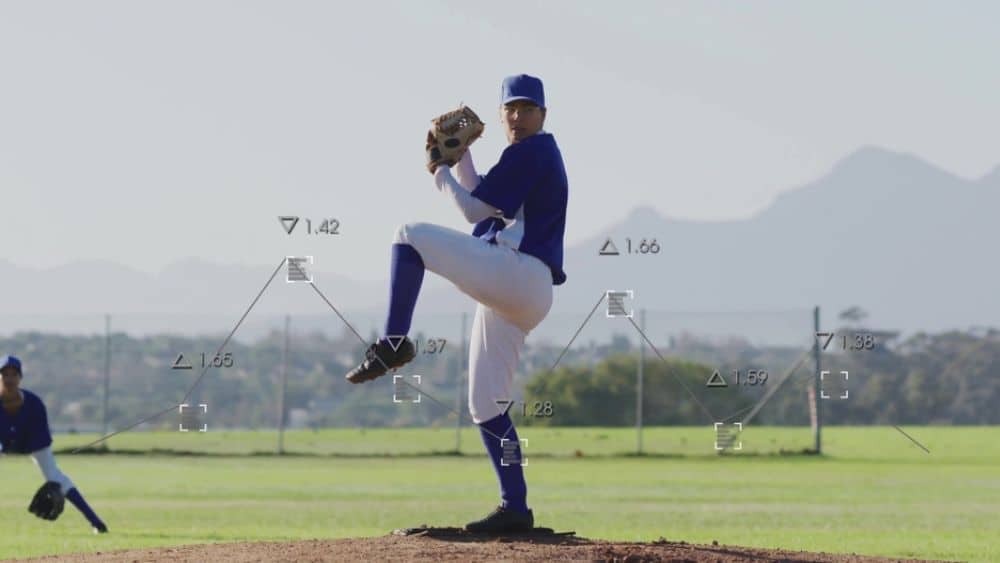
Becoming a sports performance analyst is one of the most direct ways to work in the sporting industry without being an athlete or coach. Teams now rely on data-driven decisions to improve player performance, manage workloads, and gain a competitive edge. Video, statistics, and performance data are part of daily operations at every level of sport.
If you have ever wondered how to become a performance analyst, this career path blends sports knowledge with data analysis, technology, and communication. Sports performance analyst jobs continue to grow as teams invest more in sports analytics, athlete performance tracking, and real-time insights that support training and competition.
What Is a Sports Performance Analyst?
A sports performance analyst is responsible for collecting, analyzing, and presenting data to help coaches and athletes improve performance. They work closely with coaching staff, medical teams, and players to support training plans and game strategy.
The role focuses on turning complex data into clear, actionable information. This includes video breakdowns, tracking physical output, and reviewing trends in athletic performance. Performance analysts often support both team and individual player development.
Key Responsibilities of a Performance Analyst
Performance analysts handle a wide range of tasks that connect data with real decisions. These responsibilities can vary by sport and organization, but most roles include the following:
- Video analysis and tagging: Reviewing game and practice footage to break down plays, movement, and decision-making. This helps coaches evaluate tactics and execution.
- Data collection and management: Gathering performance data from GPS systems, wearables, and testing sessions. Accuracy matters because staff rely on this data daily.
- Athlete performance tracking: Monitoring workload, speed, distance, and recovery to help reduce injury risk and improve consistency.
- Opponent and scouting analysis: Studying upcoming opponents to identify patterns, tendencies, and weaknesses.
- Reporting and data visualization: Creating charts, dashboards, and video clips that explain findings in a clear way for coaches and athletes.
Together, these tasks allow analysts to support better planning, preparation, and in-game decisions.
Where Performance Analysts Work
Sports performance analysts can work in many environments across the sporting industry. Each setting uses data differently, but the goal remains the same: improve performance.
- Professional sports teams: Full-time roles with leagues like the NFL, NBA, MLB, MLS, and NHL that focus on player and team performance.
- College and university programs: Supporting NCAA teams with video, analytics, and training data.
- Youth academies and development programs: Helping younger athletes build habits and track long-term progress.
- Private training facilities: Working one-on-one with athletes to improve speed, strength, and conditioning.
- Sports technology companies: Supporting clients and improving analytics tools through real-world data use.
How Do You Become a Performance Analyst? Step-by-Step Path
There is no single route into performance analyst jobs, but most professionals follow a similar path. Education builds the foundation, experience proves capability, and technical skills open doors to sports performance analyst jobs.
Best Degrees for Future Performance Analysts
Many analysts come from academic backgrounds in sports. Degrees in sports science, kinesiology, or exercise physiology help explain how the body responds to training and competition.
Others enter through data science, computer science, statistics, or data analytics programs. These degrees focus more on data handling, coding, and statistical thinking. Combining sports knowledge with data skills is especially valuable in modern sports data analysis careers.
Certifications and Online Courses That Matter
Certifications help show commitment and practical ability. Many analysts complete training in video platforms such as Hudl, Catapult, or Sportscode.
Online courses in Excel, Python, SQL, and data visualization also help analysts handle larger datasets and automate reporting. Learning never stops in this field, especially as tools continue to change.
Building Real Experience Before Your First Job
Experience working in real environments is critical. Internships with college programs, academies, or professional teams offer exposure to daily workflows.
Volunteering with local clubs or creating personal analysis projects using public game footage also helps. Employers value proof of hands-on work, even if it comes from unpaid or self-directed roles.
Skills You Need to Succeed as a Performance Analyst
Strong performance analysts balance technical ability with communication. They must manage data accurately while explaining insights clearly to non-technical audiences.
Technical Skills for Sports Data Analysis Careers
Most analysts use spreadsheets daily for data collection and reporting. Knowledge of Excel or Google Sheets is essential.
Basic coding skills support deeper data analysis and automation. Video platforms and GPS systems are also core tools for athlete performance tracking and workload monitoring.
Turning Data Into Clear Insights
Raw numbers alone do not improve results. Analysts must explain what the data mean and how they affect decisions.
Clear visuals, short reports, and focused video clips help coaches and athletes act quickly. Good analysts know what information matters most.
Attention to Detail and Smart Decision Making
Small trends can have a big impact on player performance. Accuracy is critical because staff rely on data to manage training load and recovery.
Smart analysts also know when not to overload others with information. The goal is clarity, not volume.
Career Paths in Sports Data Analysis

Sports data analysis careers offer long-term growth across different sectors. Performance analysts can move between teams, companies, and private settings as their experience increases.
- Professional and college teams: Roles grow from video support to senior analyst and performance lead positions.
- Sports technology and analytics companies: Analysts help teams use products, support research, and improve systems tied to business operations.
- Private training and athlete development: Working directly with athletes to support individual goals and long-term development.
These paths allow analysts to build careers that fit both technical and sport-focused interests.
Performance Analyst Jobs and Salary Expectations
Performance analysis offers steady career growth, but progress depends on experience level, location, and competition. The table below shows how responsibilities and pay often differ between early and advanced roles.
| Role Level | Typical Responsibilities | Experience Level | Salary Range |
| Entry-Level Analyst | Video tagging, data collection, basic reporting | 0 to 2 years of experience | $40,000 to $60,000 |
| Mid-Level Analyst | Advanced analysis, athlete monitoring, and presentations | 3 to 5 years of experience | $65,000 to $70,000 |
| Senior Analyst | Strategy support, staff leadership, decision advising | 6+ years of experience | $70,000 to $100,000+ |
As analysts gain experience and take on more responsibility, many move into leadership roles or specialized positions within teams or organizations.
Sports Performance Analyst Jobs: Where to Find Them
Finding sports performance analyst jobs requires a mix of searching, networking, and preparation. Open roles may not always be posted publicly.
Finding Jobs on Sports Job Boards
Sports job boards are one of the most reliable sources. JobsInSports.com allows users to filter performance analyst jobs by sport, level, and employment type.
Job alerts help candidates stay updated on new opportunities without having to constantly search.
Networking Your Way Into Sports
Relationships matter in sports. Attending coaching clinics, analytics conferences, and local events helps build connections.
Informational conversations with analysts and coaches often lead to referrals and interviews.
Applying the Smart Way
Strong applications focus on results. Resumes should highlight tools used, projects completed, and experience working with data and video.
Portfolios with sample reports or video breakdowns help candidates stand out in a crowded field.
Common Challenges in Performance Analyst Careers
Breaking into sports is competitive, and performance analysis is no exception. Knowing common challenges helps candidates prepare and stay focused.
- Getting started without experience: Side projects, volunteer roles, and self-directed analysis help build credibility early.
- Standing out in a competitive market: Sharing work on LinkedIn, personal websites, or blogs shows thinking and skill beyond a resume.
- Keeping your skills current: New tools and methods are constantly emerging. Continuous learning is part of long-term success.
Overcoming these challenges requires consistency, patience, and a clear plan.
Is a Performance Analyst Career Right for You?
Before choosing this career path, it is important to understand what daily work as a sports performance analyst entails. The role can be highly rewarding, but it also comes with expectations that not everyone enjoys. Reviewing both sides can help you decide if this career fits your interests, strengths, and work style.
This career can be a strong fit if you:
- Enjoy working with data and video: Performance analysts spend much of their time reviewing performance data, game footage, and training metrics. If you enjoy spotting patterns and trends, this work can be very engaging.
- Like supporting others rather than being the focus: Analysts work closely with coaches and athletes, but their impact happens behind the scenes. Success comes from improving team performance, not personal recognition.
- Are comfortable explaining complex information simply: A key part of the job is turning complex data into clear insights that coaches and players can use quickly, a skill that is also a core part of roles such as a football analyst.
- Are you willing to keep learning: Tools, software, and methods change often. Analysts who enjoy learning new systems and improving their skills tend to grow faster.
This career may not be the best fit if you:
- Prefer highly structured or predictable schedules: Sports often require nights, weekends, and travel, especially during the season.
- Dislike detailed or technical work: The role involves consistent data analysis, attention to detail, and accuracy.
- Expect fast advancement early on: Many roles require years of experience before reaching senior positions, and early pay can be modest compared to other data careers.
For those who enjoy problem-solving, collaboration, and using data to support athletic performance, a career as a sports performance analyst can offer long-term satisfaction and growth. For others, exploring related sports data or business-focused roles may be a better match.
Start Your Sports Analytics Career With JobsInSports

A career as a sports performance analyst rewards people who stay curious, build real skills, and commit to learning how data supports winning decisions. As teams invest more in sports analytics, athlete performance tracking, and data-driven planning, the demand for qualified analysts continues to rise across every level of the sporting industry. Taking the first step now can put you ahead of others who wait for the perfect moment.
Sports performance analyst jobs continue to grow as teams rely more on data and technology. JobsInSports.com connects job seekers with real opportunities across professional, college, and development sports. From entry-level roles to full-time positions that require years of experience, the platform is built to support sports data analysis careers at every stage.
Create a free account to access performance analyst jobs, set alerts, and explore career tools built specifically for sports professionals. Whether you are gaining experience, transitioning into analytics, or ready for your next role, JobsInSports gives you a clear path to move forward and get noticed by the right employers.


