

Esports degree jobs go far beyond professional gaming. Teams, tournaments, and gaming companies need people to manage events, create content, develop marketing campaigns, support players, and handle business operations.
What you study in an esports program can be useful in several areas, including team management, event planning, and marketing. Some graduates prefer working with players, while others find they’re better suited to the business side of gaming.
A degree can teach you the basics, but you’ll also need experience outside the classroom. You might help organize a college tournament, join a gaming club, or take an internship. These activities give you something to show employers when you start looking for jobs.
What Jobs Can You Get With an Esports Degree?
If you’re wondering what jobs you can get with an esports degree, you can work in both competitive gaming and the business side of the industry.
Esports organizations operate much like traditional sports businesses. They need employees to manage teams, organize competitions, attract sponsors, produce broadcasts, and connect with fans.
Depending on your qualifications, you could pursue work in:
- Team management: Handling schedules, helping players, and keeping team activities organized.
- Events and tournaments: Setting up competitions and making sure events run smoothly.
- Marketing and sponsorships: Getting fans interested in teams and events while working with sponsors.
- Coaching and analytics: Studying matches, planning strategies, and working with players to improve their performance.
- Community and technology: Managing online gaming communities and keeping technical systems running.
Some positions require specialized training, while others are more accessible to graduates with relevant project experience.
10 Career Paths for Esports Degree Graduates
An esports degree can open the door to different kinds of work. Some graduates end up managing teams or planning tournaments, while others find jobs in content creation or technical support.
These ten careers show some of the options available to graduates.
1. Esports Team Manager
An esports team manager takes care of the team’s daily needs, from planning activities to helping players prepare for competitions. The job usually involves:
- Scheduling: Making sure practices, travel arrangements, and tournament dates are organized.
- Player support: Helping players and coaches with questions, concerns, or team-related issues.
- Budgeting: Tracking spending and making sure the team has the resources it needs.
Good communication and organizational skills are useful in this role. Working with a college esports club or helping run an amateur team can give you hands-on experience.
2. Esports Event Coordinator or Tournament Organizer
Esports tournaments require considerable planning, whether they’re small campus competitions or major events with live audiences.
Event coordinators manage registration, competition schedules, staffing, equipment, vendors, and venue arrangements. They also help ensure players and spectators have a positive experience.
A background in event planning, budgeting, and logistics can help prepare you for these responsibilities.
One way to get started is to volunteer at local gaming events or organize an online tournament. You’ll gain experience handling registrations, communicating rules, and keeping competitions on schedule.
3. Esports Marketing Specialist
Getting people interested in a team or tournament is a big part of esports marketing. The work shares a lot with traditional sports marketing, but reaching gaming fans often means knowing which games they follow, where they spend time online, and what kind of content catches their attention.
Depending on the organization, the job might involve:
- Advertising: Getting the word out about upcoming tournaments or team announcements.
- Social media: Posting match highlights, sharing news, and talking with fans.
- Analytics: Checking which campaigns worked and where improvements are needed.
You don’t need to work for a professional team to get started. Helping a college gaming club attract more followers or promote a tournament gives you experience you can include in your portfolio.
4. Esports Coordinator Sponsorship or Partnerships
Sponsorship deals help esports teams and tournament organizers pay for events and other expenses. A sponsorship coordinator stays in contact with the companies providing that support and makes sure the agreed promotions are carried out.
They might spend part of their day talking with sponsors, putting together proposals, or checking that a brand’s logo appears where it should during an event. They also follow up with partners and review the results of sponsored promotions.
If you’re interested in this type of work, helping a college esports club find sponsors for a tournament is a good way to get some experience.
5. Esports Content Creator or Social Media Coordinator
Content creators and social media coordinators keep fans engaged through videos, interviews, and online posts. Their responsibilities are:
- Videos: Putting together match clips, interviewing players, or recording moments from tournaments and friendly matches.
- Social media: Posting team updates, match results, and other content on TikTok, Instagram, or Twitch.
- Fan interaction: Replying to comments, answering questions, and joining conversations with followers.
Being able to write and edit videos helps in this role. If you’re still in college, you could start making content for a campus gaming club or amateur team and use your work samples when applying for jobs.
6. Esports Broadcaster, Producer, or Broadcast Assistant
Broadcasting an esports tournament takes more than someone talking over the match. There are several careers in esports broadcasting, and each person handles a different part of the show.
- Commentators: Talk viewers through the action and explain what’s happening in the game.
- Producers: Decide what goes on air and coordinate the people working on the broadcast.
- Broadcast assistants: Work with cameras, replays, graphics, and streaming equipment.
Knowing the game is helpful, but technical skills and communication matter too. You can get some practice by helping livestream college tournaments or smaller gaming events.
7. Esports Coach or Player Development Assistant
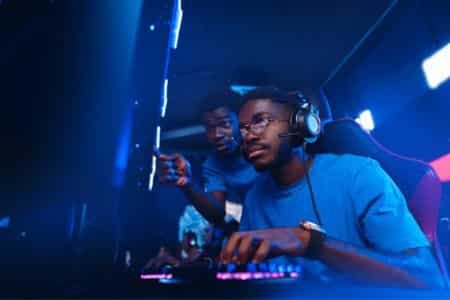
Esports coaches help players improve their skills, strategies, and teamwork. Similar to other esports performance coaching roles, their responsibilities include:
- Game analysis: Reviewing matches and studying opponents.
- Training: Developing practice sessions and improvement plans.
- Player development: Providing feedback and tracking individual progress.
Competitive experience, leadership, and game-specific knowledge are essential. Students can gain experience by coaching amateur teams or assisting college esports programs.
8. Esports Data or Performance Analyst
Esports analysts use match data to figure out what’s working for a team and what is not. This could mean spotting weaknesses in an opponent’s strategy, checking how individual players perform, or finding patterns that coaches might have missed.
This position focuses more heavily on research and data than general esports management.
Useful skills include:
- Spreadsheet management and statistical analysis.
- Data visualization and reporting.
- Knowledge of competitive game mechanics.
- Programming and database skills for more technical positions.
Students can build experience by analyzing publicly available match data and creating reports that explain their findings.
A portfolio with clear charts, recommendations, and examples of match analysis can demonstrate your skills to potential employers.
9. Esports Community Manager
Community managers stay in touch with fans and players through Discord, social media, and other online channels.
They respond to questions, keep discussions respectful, share team news, and sometimes put together activities for the community.
These interactions often happen on Discord, Reddit, Twitch, and other social channels.
The job requires strong communication, conflict resolution, organizational skills, and familiarity with moderation rules.
Managing a university gaming community or volunteering as a moderator can help you gain relevant experience.
Community managers also need patience and good judgment, especially when responding to complaints or disagreements between members.
10. Esports Technology or Gaming Operations Specialist
Technical specialists make sure the computers, networks, and other equipment work properly during esports tournaments. Some of their daily tasks include:
- Before the event: Setting up the gaming stations and testing the equipment players will use.
- During matches: Fixing connection problems, software errors, or computers that aren’t working properly.
- Online competitions: Checking tournament platforms and helping players who run into technical issues.
You don’t necessarily need advanced technical training to start working at esports events. Helping with equipment at college tournaments can give you some experience, although more specialized IT and engineering positions may require additional qualifications.
What Can You Do With an Esports Management Degree?
An esports management degree generally focuses on the business and organizational responsibilities involved in competitive gaming.
Rather than preparing students primarily for technical development or professional gameplay, these programs may emphasize leadership, marketing, event planning, and business operations.
Graduates with an esports management degree can find work in several areas, including:
- Team operations: Organizing schedules, keeping track of expenses, and handling daily team needs.
- Tournaments: Helping plan gaming competitions and making sure events run as planned.
- Sponsorships: Working with brands that sponsor teams, players, or tournaments.
- Marketing: Promoting upcoming matches, events, and gaming organizations.
- College esports programs: Helping universities manage their teams and student competitions.
- Community management: Staying in touch with fans, answering questions, and organizing online activities.
However, esports management programs aren’t identical. One university might emphasize business administration, while another offers more courses in broadcasting or event production.
Before choosing a program, review its curriculum and compare it with job descriptions for positions that interest you.
The best major for an esports career also depends on the work you want to do. Business or esports management may suit team operations, while communications, marketing, computer science, or media production may be better for specialized careers.
What Skills Do Employers Look for in Esports Graduates?

Employers want candidates who can apply what they’ve learned in real situations.
The skills you’ll need depend on your preferred career, but several categories are useful across esports organizations.
Business and operations skills
- Organizing projects and keeping schedules on track.
- Setting budgets and keeping an eye on expenses.
- Working with teammates and taking responsibility for group tasks.
- Arranging event details and staying in contact with vendors.
Marketing and media skills
- Running social media accounts and creating posts for fans.
- Writing content, editing videos, and sharing stories about teams or players.
- Putting together advertising campaigns for matches and events.
- Looking at audience data to see how well promotions are working.
Gaming and technical skills
- Knowledge of competitive games and tournament rules.
- Match analysis and performance reporting.
- Streaming software and production equipment.
- Technical troubleshooting and basic systems management.
Professional experience can make these skills more convincing to employers. Internships, volunteer work, student leadership positions, and completed projects show that you can handle responsibilities outside the classroom.
For example, organizing a student tournament demonstrates planning and communication skills. Producing a livestream shows technical experience and the ability to work during a live event.
Do You Need an Esports Degree to Work in Esports?
You don’t necessarily need an esports degree to find work in competitive gaming. Some companies look for candidates with a college education, but others care more about what you’ve done and the skills you can bring to the job.
There are jobs in esports that don’t require a college degree, particularly in areas such as:
- Content creation: A portfolio of edited videos or social media content can help you find work.
- Event support: Local tournaments often provide opportunities to gain experience with event operations.
- Community moderation: Managing Discord servers or gaming communities can prepare you for paid positions.
- Broadcast production: Knowing how to use streaming software and equipment can help you qualify for production roles.
More specialized jobs, including software development and certain management positions, may require additional qualifications.
Pay also varies quite a bit. Glassdoor estimates an average base salary of around $75,000 a year for esports marketing managers in the U.S., although the figure comes from limited salary reports.
Having an esports degree can be useful, but employers will still want to see relevant skills and experience.
How to Get Your First Job With an Esports Degree
Graduating with an esports degree is one step. Landing your first position means showing employers how your skills match their needs.
Here are seven practical steps to help you get started.
- Choose two or three career paths. Consider whether you prefer business, marketing, coaching, production, or technical responsibilities. A smaller group of target jobs makes your search easier to manage.
- Review real job descriptions. Look at education requirements, software skills, and expected experience. Pay attention to qualifications that appear repeatedly.
- Gain experience during school. Join a campus esports organization, organize competitions, or help with marketing and broadcasting activities.
- Build a portfolio. Include event plans, promotional campaigns, recorded broadcasts, match analysis, or other examples of completed work.
- Apply for internships and entry-level positions. Don’t limit your search to professional esports teams. Colleges, event companies, gaming businesses, and marketing agencies may also offer relevant opportunities.
- Connect with industry professionals. Attend gaming events, join professional communities, and talk with people in roles that interest you.
- Search for relevant openings. Use job platforms such as JobsInSports.com to research sports business, media, events, and esports-related opportunities.
You don’t need to complete every step before applying. Starting with a volunteer project or internship can help you identify which skills to develop next.
Where Can You Find Jobs for Esports Graduates?
Professional esports teams are one option, but several other businesses and organizations hire people with skills developed through esports programs.
Potential employers include:
- Esports teams: Jobs in coaching, marketing, team management, and helping players with daily needs.
- Tournament organizers: Getting competitions ready, taking care of registrations, and making sure everything stays on schedule.
- Colleges and universities: Coaching student teams, arranging campus tournaments, or helping run esports programs.
- Gaming companies: Fixing technical issues, talking with players online, and keeping things running day to day.
- Broadcasting companies: Working on livestreams, putting together match videos, or handling equipment during competitions.
- Sports marketing agencies: Promoting teams, working with sponsors, and reaching new fans.
- Gaming media outlets: Writing articles, covering tournaments, and creating videos or social media content.
You can also consider jobs in traditional sports organizations. Many of the skills used in esports marketing, broadcasting, sponsorships, and event operations apply to other sports businesses.
Ready to look for your first esports job? Register for free on JobsInSports and browse openings in marketing, media, event management, and other sports-related fields. See what’s available, find jobs that fit your skills, and start applying.


