
Sports photography jobs offer a unique opportunity to turn a passion for athletics and photography into a rewarding career. From local athletic events and high school competitions to professional sports, sports photographers play a critical role in capturing the moments that define games, athletes, and teams.
Sports photography is one of those careers that looks like a dream from the outside. You get paid to be at sporting events, capturing moments that fans and athletes remember for years. But behind every great action shot is a skilled professional with sharp technical instincts, the right gear, and a solid business plan. If you have a passion for sports and a love of photography, there are more paths into this field than most people realize. Whether you are interested in freelance assignments, staff positions, sports photography internships, or building your own business, understanding the industry is the first step toward finding success in sports photography jobs.
Can You Make a Living as a Sports Photographer?
Yes. Demand for sports photography continues to grow as teams, schools, brands, and media outlets need a steady stream of content for websites, digital media, and social media platforms. As a result, photographers can earn income through a variety of opportunities beyond professional sports.
Common income sources include:
- College and university athletic department photography
- Local news and sports publication assignments
- Team and organization content creation
- Youth and high school sports coverage
- Product photography for sports brands
- Freelance event and tournament photography
Many successful sports photographers combine multiple revenue streams to create a more stable income. The key is to approach sports photography as a business, build relationships, and consistently deliver high-quality work.
What Are Sports Photography Jobs?
Jobs in sports photography cover a wide range of roles. Some are staff positions with a salary and benefits. Others are freelance contracts that pay per assignment or per project. Understanding the difference early helps you plan your career more clearly.
Common types of sports photography work include:
- Newspaper and magazine assignments: Editors assign photographers to cover games and provide editorial images on deadline.
- Team and organization contracts: Professional or semi-professional teams hire photographers for games, media days, and social media content.
- College and university positions: Athletic departments hire staff photographers to cover games, practices, and recruitment materials.
- Freelance event coverage: Independent photographers get hired to shoot youth leagues, tournaments, and local athletic events.
- Sports brand and product photography: Brands use photographers to create marketing content featuring athletes and gear.
Each of these roles requires a different mix of skills. Staff positions typically include a detailed job description with set hours and deliverables. Freelance work gives you flexibility, but you manage your own clients, invoicing, and schedule.
Why Sports Photography Is More Than Just Taking Pictures
Great sports photography is about more than capturing action. It requires technical skill, quick decision-making, and the ability to tell a story through a single image.
Success in this field depends on mastering fundamentals like shutter speeds, lighting setups, and subject tracking. Whether shooting under stadium lights or in a crowded gym, photographers must adapt quickly to changing conditions.
Just as important is building relationships within the sports industry. Trust, professionalism, and a strong network can lead to greater access and more opportunities throughout your career.
What Are Some Common Career Paths in Sports Photography?
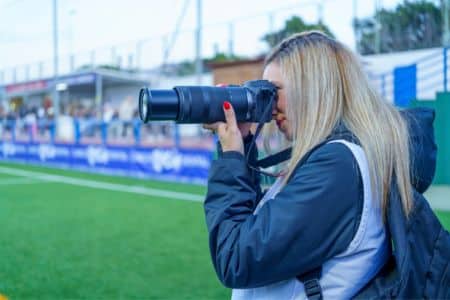
There is no single route into this field. Here are five real paths photographers use to build careers.
Photograph Local and Youth Sports
Many sports photographers start by covering high school games, youth leagues, and community tournaments. These events provide valuable photography experience while helping you build a portfolio and client base. Parents, schools, and leagues often purchase prints, downloads, and team packages, creating opportunities for recurring income.
Work for Colleges and Universities
College athletic departments regularly hire photographers to cover games, practices, recruiting materials, and social media content. Many schools also offer sports photography internships that provide hands-on experience and valuable industry connections for aspiring photographers.
Shoot for Media Outlets and Publications
Editorial photography offers opportunities to cover games and sporting events for newspapers, magazines, and online publications.
Common responsibilities include:
- Capturing action and storytelling images on assignment
- Meeting tight publication deadlines
- Delivering polished images and raw files for post-production
- Building relationships with editors and local media outlets
Partner With Teams and Organizations
Professional, semi-professional, and minor league teams frequently hire photographers for game coverage, media days, and social media promotional content. These highly visible roles often extend beyond game action to include social media content, athlete features, and marketing campaigns.
Build a Sports Photography Business
Running your own sports business gives you control over your schedule and income. Many sports photographers build multiple revenue streams rather than relying on one client or contract. Common sources include:
- Selling individual prints and digital downloads to athletes and families
- Offering team and athlete photo packages at the start of each season
- Licensing images to brands, publications, and organizations
- Providing sports photography coverage for corporate athletic events
A sustainable business model combines regular clients with occasional high-paying assignments. Product photography for sports brands can also fill the gaps between seasons and keep your skills sharp.
Essential Skills Every Sports Photographer Needs
The technical side of this career is demanding. Here are the skills that matter most:
- Camera operation and lens selection: Knowing which lens to use in which situation is fundamental. Telephoto lenses are standard for most athletic events.
- Exposure and shutter speeds: Fast sports action requires fast shutter speeds, often 1/1000 second or faster, to avoid motion blur.
- Tracking moving subjects: Good autofocus technique and the ability to anticipate movement separate average shots from great ones.
- Post-production editing: Most clients expect polished images. Learning to process raw files efficiently in editing software is non-negotiable.
- Networking and communication: Sports photography is a relationship business. Strong professional communication helps you land and keep clients.
The Best Equipment for Sports Photography
You do not need to spend a fortune to get started, but the right gear makes a real difference. Most working sports photographers use a DSLR or mirrorless camera with fast burst shooting capabilities and reliable autofocus tracking.
Key gear to consider includes:
- A mirrorless camera body with strong autofocus performance
- A telephoto zoom lens in the 70-200mm range as a starting point
- High-speed memory cards that can keep up with burst shooting
- A monopod for support during long sideline assignments
Balancing budget and performance is a real consideration. Renting gear before buying is a smart way to test equipment without overcommitting.
How to Build a Sports Photography Portfolio
Your portfolio is often the first thing potential clients, editors, and organizations will review before deciding whether to hire you. A strong portfolio demonstrates both your technical ability and your versatility as a sports photographer.
Focus on including a variety of images, such as:
- Action shots: Showcase your ability to capture fast-moving athletes and key moments during competition.
- Candid moments: Include emotional reactions, celebrations, and behind-the-scenes images that tell a deeper story.
- Different sports and venues: Demonstrate that you can adapt to different environments, lighting conditions, and athletic events.
- Team and promotional photography: Show examples of athlete portraits, media day content, and social media imagery for marketing.
- Storytelling images: Highlight photos that establish you as a visual storyteller, not just someone who captures action.
Create an online portfolio that is easy to navigate and regularly updated with your best recent work. As your career grows, consider organizing your portfolio by client type, such as editorial, team photography, events, or commercial projects. A polished portfolio not only showcases your skills but also helps separate you from other candidates competing for sports photography jobs.
Common Mistakes New Sports Photographers Make
Building a successful career in sports photography takes more than owning a good camera and capturing great images. Many new photographers make avoidable mistakes that can slow their growth or limit their earning potential.
Some of the most common mistakes include:
- Focusing only on professional sports: Many photographers dream of covering major leagues, but the most accessible opportunities are often at the youth, high school, and college levels. These events provide valuable experience, portfolio content, and networking opportunities.
- Neglecting networking: Sports photography is a relationship-driven industry. Coaches, athletic directors, editors, and team staff can all become valuable sources of referrals and future work.
- Underpricing services: Charging too little may attract clients initially, but it can make it difficult to cover expenses and build a sustainable business over time.
- Ignoring marketing fundamentals: Even talented photographers need to promote their work. Maintaining a website, updating social media profiles, and sharing recent projects can help attract new clients.
- Failing to diversify revenue streams: Relying on a single client or assignment type can create financial instability. Many successful photographers supplement game coverage with team photography, events, portraits, or commercial projects.
Avoiding these mistakes early can help you build a stronger reputation, develop a more stable client base, and create long-term opportunities in sports photography.
Start Your Career as a Sports Photographer
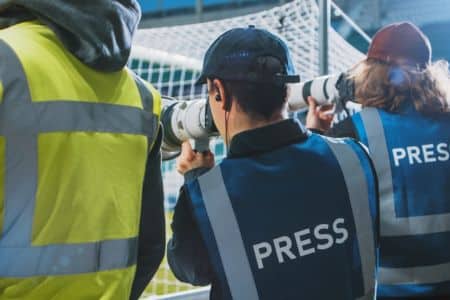
A career in sports photography can take many forms, from covering local athletic events and college sports to working with professional teams, media outlets, and sports organizations. The key is gaining experience, building a strong portfolio, and putting yourself in front of the right opportunities.
Jobs in Sports connects aspiring and experienced professionals with employers across the sports industry, including organizations seeking photographers, content creators, and visual media specialists. Whether you are searching for sports photography internships, freelance opportunities, or full-time sports photography jobs, the platform makes it easier to discover openings that match your goals.
Ready to take the next step? Create a free account with Jobs in Sports, explore current sports photography jobs, and start building a career that combines your passion for sports and photography.


